









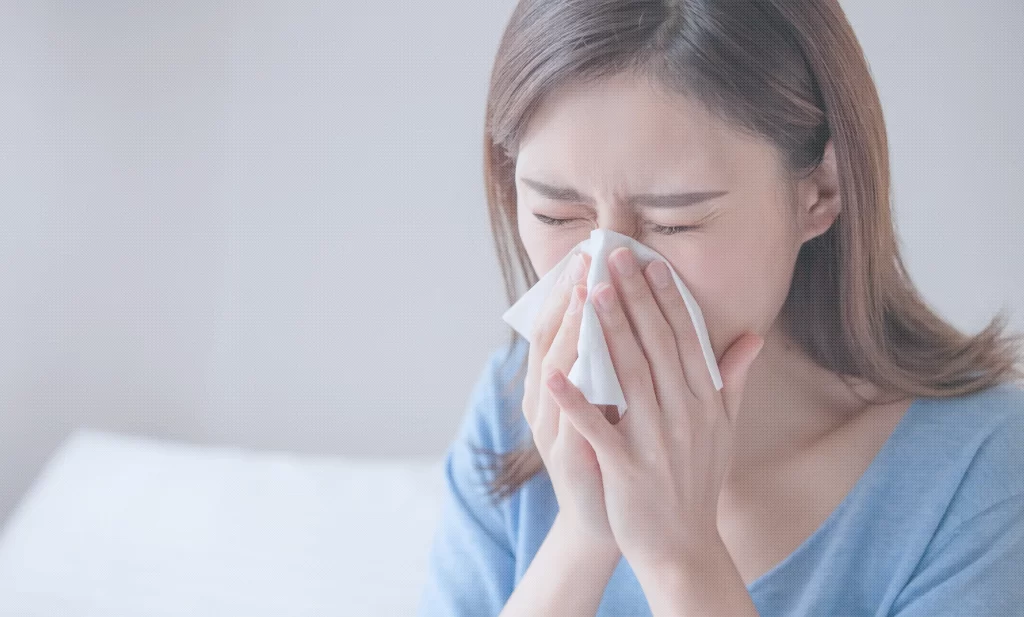
For the 2025–26 season, we present comprehensive information on influenza. This article provides a thorough explanation of everything you need to know to get through the winter with peace of mind—from typical influenza symptoms, how to distinguish influenza from the common cold and COVID-19, when to seek medical care, treatment options after diagnosis, to effective prevention measures. Please use this information to manage your own health and to protect your loved ones.
[Symptom Check] Could This Be Influenza? How to Tell It Apart from a Cold
Because the symptoms of influenza are very similar to those of the common cold and COVID-19, many people find it difficult to judge on their own. This concern is especially common among those living with young children or elderly family members, as they tend to be more sensitive to changes in their loved ones’ health. In this section, we will carefully explain the symptoms characteristic of influenza and compare them with other infectious diseases to help you accurately distinguish between them.
Typical Early Symptoms of Influenza
One of the most distinctive features of influenza is its sudden onset. In many cases, a high fever of 38°C (100.4°F) or higher appears abruptly, often accompanied by intense chills and shivering. Almost simultaneously, severe fatigue, a heavy feeling throughout the body, pressure-like headaches affecting the entire head, joint pain, and muscle aches throughout the body rapidly develop. These symptoms contrast sharply with the common cold, which usually begins gradually with localized symptoms such as sneezing, runny nose, or sore throat. Influenza symptoms tend to appear all at once, almost as if a switch has been flipped. These systemic symptoms often peak within 1–3 days after onset. In young children especially, sudden changes such as unusual lethargy or lack of energy can be important clues.
How Is It Different from a Cold or COVID-19? Symptom Comparison Table
Influenza, the common cold, and COVID-19 all involve respiratory symptoms, making self-diagnosis based on symptoms alone difficult. However, each condition has characteristic patterns, symptom severity, and unique features. The table below summarizes the presence, intensity, and progression of symptoms for comparison. Please use it as a reference alongside your own symptoms.
| Item | Influenza | Common Cold | COVID-19 |
| Fever | Sudden onset of high fever over 38°C | Low-grade fever to around 38°C (often not very high) | Fever is common, but severity varies widely |
| Chills / Shivering | Often strong chills and shivering | Rare or mild if present | May occur, but usually less intense than influenza |
| Headache | Often severe | Mild to moderate | May occur |
| Joint / Muscle Pain | Severe pain throughout the body | Rare or mild | May occur |
| Fatigue | Severe, generalized fatigue | Mild fatigue | Fatigue may be severe and prolonged |
| Cough | Dry cough, sometimes later producing phlegm | Usually mild, often with sore throat | Dry cough is characteristic and may persist |
| Sore Throat | Present, but often less severe than systemic symptoms | Strong from the early stage and a main symptom | May occur, with wide individual variation |
| Runny / Stuffy Nose | Relatively mild or appears later | Prominent from the beginning | May occur |
| Speed of Symptom Progression | Sudden onset, worsens within hours to half a day | Gradual progression over several days | May be gradual or sudden |
| Loss of Taste / Smell | Rare | Rare | May be a characteristic symptom |
| Aftereffects (Post-acute symptoms) | Unlikely unless complications occur | Unlikely | Fatigue, brain fog, cough may persist |
As shown in the table, influenza is characterized by the sudden appearance of high fever over 38°C along with strong chills, joint and muscle pain, and fatigue. In contrast, the common cold mainly involves localized symptoms such as runny nose and sore throat, while COVID-19 may involve prolonged fatigue and loss of taste or smell. Use these differences as a reference when assessing your symptoms.
[Important] Symptoms Specific to Children, the Elderly, and Pregnant Women
The presentation of influenza symptoms can vary significantly depending on age and physical condition. Children, the elderly, and pregnant women may experience unique symptoms and face higher risks of severe illness, requiring special attention. In children, high fever may trigger febrile seizures, which can involve whole-body stiffness or unfocused eyes due to neurological immaturity. Special caution is required when using antipyretics: aspirin and other salicylates can cause Reye’s syndrome, a serious complication. In rare cases, children may develop influenza-associated encephalopathy, presenting with impaired consciousness or abnormal behavior such as hallucinations. Immediate medical attention is required if these symptoms occur. In elderly individuals, influenza may not cause high fever. Instead, atypical symptoms such as loss of appetite, lethargy, dehydration, or general weakness may be prominent. Due to weakened immunity, pneumonia—especially aspiration pneumonia—is more likely. Delayed recovery can lead to loss of mobility or bedridden status, so early medical consultation is crucial. Pregnant women face increased risk of severe illness due to immune changes. Complications such as pneumonia or bronchitis may develop rapidly, potentially affecting both mother and fetus. Prevention and early treatment are especially important. Any unusual symptoms should prompt immediate consultation with an obstetrician or physician.
Influenza Trends and Virus Types for the 2025–26 Winter
Influenza viruses mutate each year, leading to changes in circulating strains. Seasonal predictions are based on global surveillance data and guide vaccine formulation. This section explains expected trends for the 2025–26 season and the characteristics of influenza A and B viruses.
What Are the Expected Trends This Season?
Predictions for the 2025–26 influenza season are based on data from expert institutions such as Japan’s Ministry of Health, Labour and Welfare and the National Institute of Infectious Diseases. Southern Hemisphere trends often provide early indicators. Current forecasts suggest co-circulation of influenza A (H1N1pdm09 and H3N2) and influenza B (Victoria and Yamagata lineages). Mixed outbreaks may increase the risk of multiple infections within a single season. The peak is expected between December and March, though timing and duration may vary.
Differences Between Influenza A and B
Seasonal influenza in humans is mainly caused by types A and B. Influenza A mutates rapidly, infects animals, and can cause pandemics. It typically causes sudden, severe systemic symptoms and has a higher risk of complications. Influenza B mutates more slowly, spreads mainly among humans, and rarely causes pandemics. Symptoms are often milder but may include gastrointestinal symptoms such as abdominal pain, diarrhea, and vomiting. B strains often peak later in the season.
When Should You Go to the Hospital? Guidelines for Medical Visits and Testing
Deciding when to seek medical care is critical. This section outlines warning signs requiring immediate consultation, optimal timing for testing, and which department to visit.
Symptoms That Require Immediate Medical Attention
Seek medical care promptly if you experience breathing difficulty, chest pain, altered consciousness, seizures, inability to drink fluids, persistent high fever, or marked weakness—especially in children and elderly individuals.
Best Timing for Testing: After 12 Hours from Onset
Rapid diagnostic tests are most accurate when performed 12–48 hours after symptom onset. Testing too early may result in false negatives. Antiviral medications are most effective when started within 48 hours.
Which Department Should You Visit?
Adults should visit internal medicine or respiratory medicine. Children should always be seen by pediatrics. If possible, consult your regular physician first and notify the clinic in advance.
If Diagnosed with Influenza: Treatment and Home Care
Treatment typically involves antiviral medication and proper home rest. This section explains medication options and essential home care practices.
Types and Effects of Antiviral Medications (Tamiflu, Xofluza, etc.)
Common antivirals include oseltamivir (Tamiflu), zanamivir (Relenza), laninamivir (Inavir), and baloxavir (Xofluza). These medications shorten symptom duration when started within 48 hours. Always follow your doctor’s instructions.
Three Key Points for Home Care: Rest, Hydration, Humidity
Adequate rest, frequent fluid intake, and maintaining indoor humidity at 50–60% are essential for recovery.
Can You Use Over-the-Counter Fever or Cold Medications?
Children must not use aspirin or certain NSAIDs due to the risk of Reye’s syndrome. Adults should consult a doctor or pharmacist before using OTC medications to avoid drug interactions.
Preventing Transmission at Home and Work | Isolation Periods
Preventing spread is a social responsibility. This section explains household prevention measures and recommended absence periods.
Preventing Household Transmission
Wear masks, practice thorough hand hygiene, disinfect frequently touched surfaces, ventilate rooms, and avoid sharing personal items.
When Can You Return to School or Work?
For schools, attendance is prohibited until 5 days after onset and 2 days after fever resolution (3 days for young children). Adults should follow workplace policies, generally aligned with school standards.
Influenza Prevention: Vaccination and Daily Habits
Prevention is the most important strategy. This section covers vaccination and lifestyle habits to strengthen immunity.
The Most Effective Prevention: Influenza Vaccination
Vaccination reduces the risk of infection and, more importantly, severe illness and complications. It is especially important for high-risk groups. Vaccination is recommended between October and early December.
Daily Habits to Boost Immunity
Proper handwashing, balanced nutrition, adequate sleep, light exercise, and maintaining indoor humidity all help strengthen immune defenses.
Frequently Asked Questions About Influenza
This section provides detailed answers in a Q&A format to common questions many people have about influenza. We have carefully selected questions that readers are most likely to be concerned about, including situations in which influenza is suspected, questions that arise after a diagnosis has already been made, and inquiries related to prevention. Each question is answered clearly and concisely.
Q1. Why can you still get influenza even after being vaccinated?
It is indeed possible to contract influenza even after receiving the influenza vaccine. First, it is important to understand that the vaccine does not prevent influenza infection with 100% certainty. The purpose of the vaccine is to help the body develop immunity to the virus in advance, so that if infection does occur, it can suppress the onset of illness, reduce the severity of symptoms, and prevent serious complications. There are several reasons why someone may still develop influenza after vaccination. One reason is that the virus strains included in the vaccine may not perfectly match the strains circulating during that season. Because influenza viruses mutate constantly, a so-called “mismatch” can occur between the strains predicted during vaccine production and those that actually become prevalent. In addition, the immune status of the individual also plays a role. In older adults or people with weakened immune systems, the vaccine may not produce a sufficient immune response, making it harder for protective antibodies to develop. However, the greatest benefit of vaccination is that even if influenza is contracted, the risk of severe illness and complications such as pneumonia is significantly reduced. This is especially important for people with underlying medical conditions, older adults, and young children, for whom preventing severe illness can be life-saving. Because vaccination reduces the risk of hospitalization and death due to influenza, it continues to be strongly recommended.
Q2. Is it okay to take a bath once the fever has gone down?
If you had a high fever due to influenza, it is generally acceptable to take a bath once your fever has subsided and your physical strength has begun to recover. Maintaining personal hygiene can help improve your mood and may also support recovery. However, there are several points to keep in mind. Avoid long baths or very hot water, as these can lead to excessive fatigue. Use lukewarm water and keep the bathing time short. To prevent getting chilled, warm the bathroom and dressing area in advance. After bathing, dry your body promptly and wear warm clothing. To prevent dehydration caused by bathing, it is also recommended to drink a glass of water before and after bathing. If you still have a high fever, feel severe fatigue, or are experiencing intense headaches or joint pain, it is better not to bathe and instead limit yourself to wiping your body. Pay attention to your physical condition and maintain cleanliness within a reasonable and safe range.
Q3. Is it possible to have influenza without a fever?
Some people assume that if they do not have a fever, they cannot have influenza. However, it is entirely possible to be infected with influenza even without a fever. While high fever is a typical symptom, influenza does not always present in this way, so caution is necessary.
- Older adults: Due to reduced immune function, they are less likely to develop a high fever. Symptoms may mainly include fatigue, loss of appetite, or a mild cough.
- People who have received the influenza vaccine: Because the vaccine can suppress symptom severity, infection may occur without a high fever, resulting in relatively mild symptoms.
- Certain cases of influenza type B: Compared with type A, symptoms tend to be relatively milder, and fever may not rise significantly. In some cases, gastrointestinal symptoms such as abdominal pain or diarrhea may be more prominent.
In these situations, individuals may have only a slight fever in the 37°C range or even a normal body temperature, while experiencing strong fatigue, joint pain, muscle aches, coughing, or a sore throat. Rather than making assumptions based solely on the absence of fever, it is advisable to consult a medical institution if systemic symptoms are significant and influenza is suspected. Appropriate testing allows for early diagnosis and timely initiation of treatment when necessary.
Summary
As we approach the 2025–26 season, influenza prevention will be especially important as part of daily health management. Influenza is characterized by systemic symptoms such as sudden high fever, profound fatigue, joint pain, and muscle aches. Understanding how these symptoms differ from those of the common cold or other infections can help with early self-assessment. If influenza is suspected, it is particularly important for children, older adults, and pregnant individuals—who are at higher risk of severe illness—to seek medical care without delay. The optimal timing for testing and treatment is generally considered to be from 12 hours after symptom onset up to within 48 hours. After diagnosis, treatment is based on anti-influenza medications along with adequate rest. The most effective preventive measure remains annual influenza vaccination against the strains predicted to circulate each season. In addition, everyday practices such as proper handwashing, gargling, maintaining a balanced diet, and getting sufficient sleep are essential for supporting immune function. By taking these measures, you can help protect not only yourself but also your family and those around you, and get through the winter of 2025–26 in good health.

Chairman of the Medical Corporation Clinovation
Naito Sho
Career / Biography
Graduated from Kitasato University School of Medicine
Trained in emergency medicine and general practice at Okinawa Chubu Hospital
Practiced island medicine at Okinawa Prefectural Iriomote Seibu Clinic
Specialty: General Practice
Qualifications
Certified Family Physician and Instructor, Japan Primary Care Association Certified Physician, Japanese Society of Internal Medicine Certified Occupational Physician, Japan Medical Association Certified Physician, Japan Travel Medicine Society Specialist Medical Professional, Japan Society of Travel and Health